Minister Hem Vanndy Encourages Women-Led SMEs to Tap into Regional and Global Markets

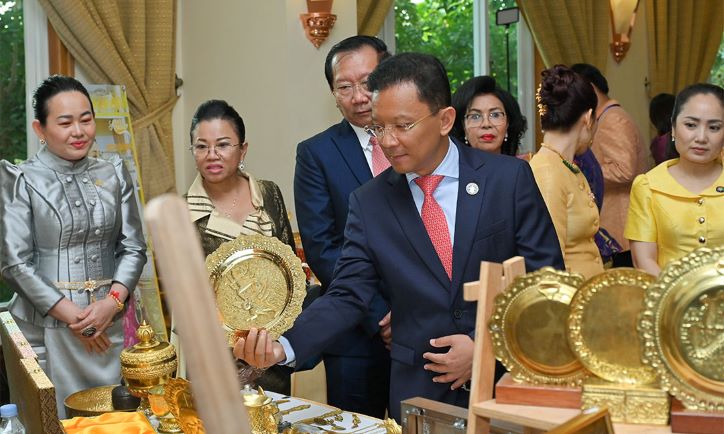
On November 11, 2024, during the closing ceremony of Cambodian Women Entrepreneurs Day 2024 under the theme “Women Empowerment in Green Economy,” H.E. Hem Vanndy, Minister of Industry, Science, Technology & Innovation, emphasized the vital role of women-led small and medium enterprises (SMEs) in driving Cambodia’s social and economic growth.
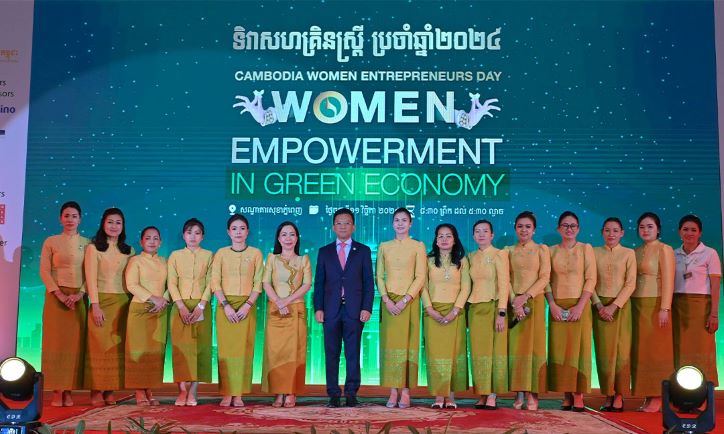
 

He noted women’s growing contribution to Cambodia’s business landscape, particularly in small and medium enterprises (SMEs). “Promoting women’s entrepreneurship requires combined efforts of all stakeholders to integrate their businesses into regional and global value chains, harness local resources, and adopt new technologies,” Minister Vanndy said.

 Women entrepreneurs lead 69.2% of Cambodia’s economic units, according to the Ministry of Planning’s 2022 census. With Cambodia’s economy expected to grow around 6% in 2024—driven by sectors like garment exports, non-garment manufacturing, agriculture, tourism, and trade—Minister Vanndy stressed that women-led businesses are crucial to sustaining this momentum.

 The Royal Government of Cambodia is actively implementing strategies and policies designed to support women entrepreneurs, with initiatives focused on enhancing productivity, expanding market access, and providing critical financial resources to help businesses to thrive. Platforms such as ASEANAccess and KhmerSME offer essential business information in the region to small and medium enterprises (SMEs), equipping them with the tools and resources necessary for sustainable growth and success.

 Addressing attendees at the event, Minister Vanndy encouraged SMEs to formalize their businesses, emphasizing that doing so would enhance their ability to access support, contribute to the government’s targeted policymaking, and strengthen their long-term business resilience and growth.
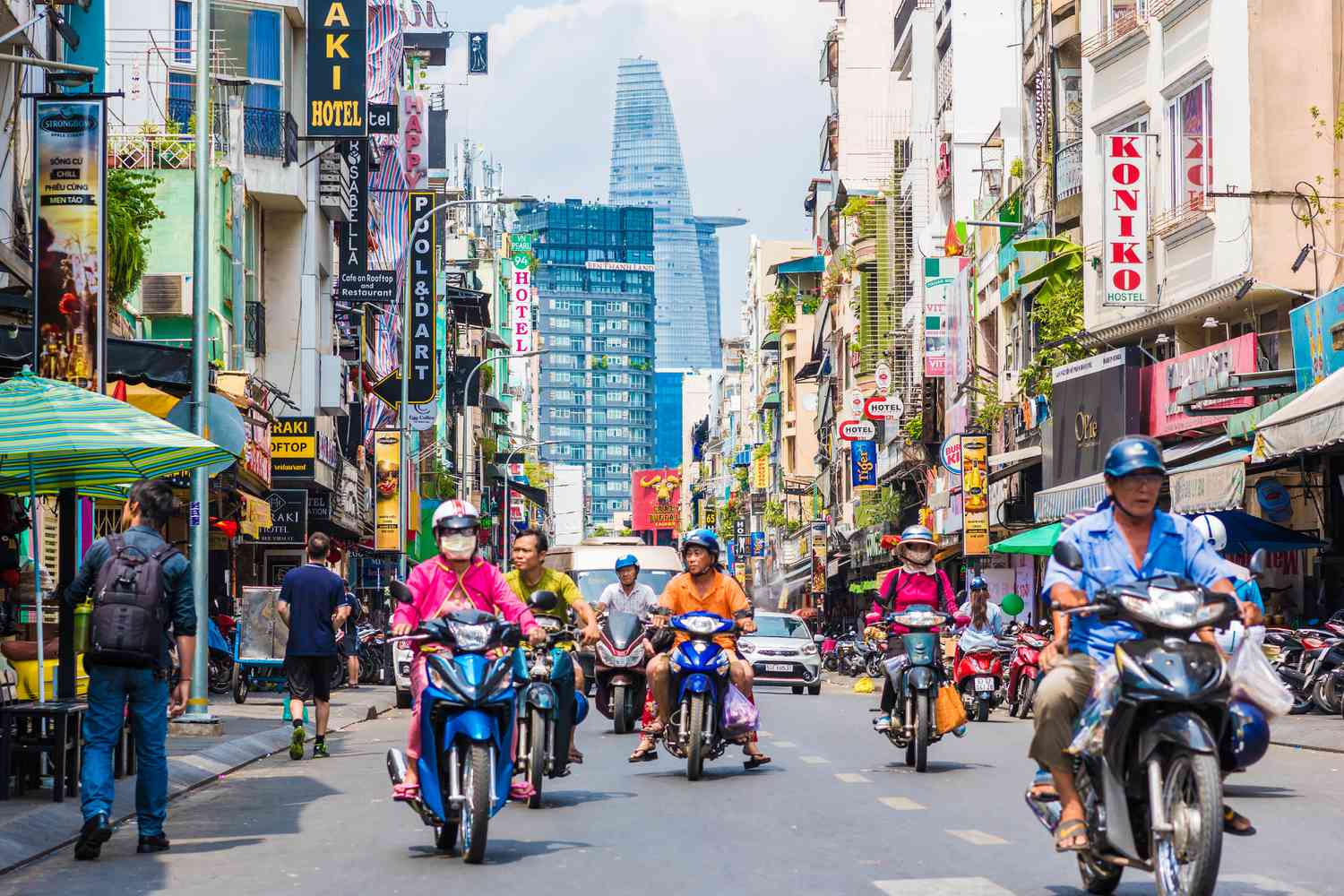
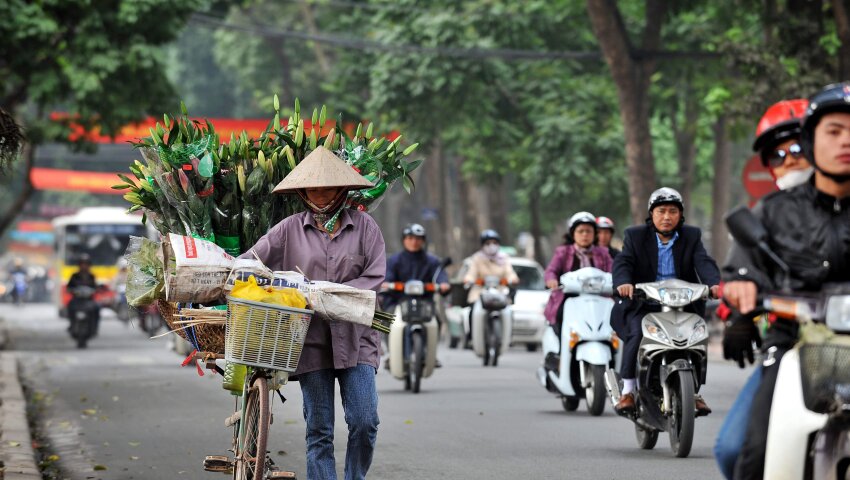
ការអភិវឌ្ឍន៍សេដ្ឋកិច្ចប្រកបដោយនិរន្តរភាពក្នុងតំបន់​ជនរួមជាតិខ្មែររនៅវៀតណាមនាពេលថ្មីៗនេះ

ជនរួមជាតិខ្មែរគឺជាផ្នែកមួយ ដែលមិនអាចកាត់ផ្តាច់ចេញពីសហគមន៍ជនជាតិភាគតិចជាបងប្អូន ទាំង៥៤ នៃប្រទេសវៀតណាម រស់នៅជាមួយគ្នាដោយសមភាព និងសុខដុមរមនា រួមចំណែកក្នុងបុព្វហេតុកសាង និងការពារមាតុភូមិពេញប្រវត្តិសាស្ត្ររបស់ប្រទេស។

ក្នុងរយៈពេលកន្លងមក រដ្ឋាភិបាលវៀតណាមបានចេញនូវគោលការណ៍ណែនាំ និងគោលនយោបាយដ៏សម្បូរបែប និងទូលំទូលាយ ធានាការអនុវត្តកាន់តែមានប្រសិទ្ធភាពនៃកម្មវិធី គម្រោងវិនិយោគ និងគោលនយោបាយគាំទ្រប្រជាជន។ ក្នុង​ចំណោម​នោះ យើង​ត្រូវ​និយាយ​អំពី​កម្មវិធី​គោលដៅ​ជាតិ​សម្រាប់​ការ​អភិវឌ្ឍ​សេដ្ឋកិច្ច​សង្គម​នៅ​តំបន់​ជនជាតិ​ភាគតិច និង​តំបន់​ភ្នំ​សម្រាប់​ឆ្នាំ ២០២១ – ២០២៥ ដែល​បាន​និង​កំពុង​រួម​ចំណែក​លើក​កម្ពស់​ការ​អភិវឌ្ឍ​សេដ្ឋកិច្ច និង​កាត់​បន្ថយ​ភាព​ក្រីក្រ​ប្រកប​ដោយ​និរន្តរភាព។ ការបែងចែកថវិកាកណ្តាលសរុបក្នុងឆ្នាំ ២០២៤ គឺច្រើនជាងមួយលានដុល្លារ។

ពីប្រភពទុនទាំងនេះ ការគាំទ្របានបង្កើតនូវអានុភាពអភិវឌ្ឍន៍សម្រាប់តំបន់ជនជាតិខ្មែរនៅវៀតណាម។ “គោលនយោបាយកាត់បន្ថយភាពក្រីក្រ គាំទ្រគ្រួសារក្រីក្រ ក្នុងការបង្កើតការងារ និងអភិវឌ្ឍន៍ផលិតកម្ម ត្រូវបានដាក់ឱ្យដំណើរការស្របគ្នា ទៅតាមមុខវិជ្ជាត្រឹមត្រូវ ស្របតាមការពិត បង្កើតលក្ខខណ្ឌសម្រាប់គ្រួសារក្រីក្រក្នុងការទទួលបាន និងអភិវឌ្ឍផលិតកម្ម និងលើកកម្ពស់ជីវភាពរស់នៅ គេចចេញពីភាពក្រីក្រប្រកបដោយចីរភាព”។ – លោក ថាច់ ឌឿង ប្រធានគណៈកម្មាធិការជនជាតិខេត្ត វិញឡុង ស្រុកបានជូនដំណឹង។

ជនរួមជាតិខ្មែរនៅខេត្ត សុកត្រាំង, ត្រាវិញ, វិញឡុង, អានយ៉ាង… កាន់តែរំភើបចិត្តនៅពេលដែលសេដ្ឋកិច្ចមានភាពប្រសើរឡើង ជីវភាពរស់នៅខាងស្មារតី និងវប្បធម៌ក៏ត្រូវបានយកចិត្តទុកដាក់ផងដែរ។ ​

លោកស្រី ថាច់ ធីហួង នៅ ឃុំ អានថាញ់៣ ស្រុក កគុឡាវយូង (ខេត្ត សុកត្រាំង) ត្រូវបានឧបត្ថម្ភទិញម៉ាស៊ីនផលិតទឹកអំពៅ ដើម្បីលក់ភេសជ្ជៈ ទទួលបានប្រភពចំណូលបន្ថែមប្រចាំថ្ងៃ។ យោងតាមលោកស្រី ហួង គំរូអាជីវកម្មខ្នាតតូចនេះបានជួយឱ្យនាងទទួលបានប្រាក់ចំណូលបន្ថែមប្រចាំខែប្រហែល ២០០ ដុល្លារអាមេរិក បូករួមទាំងអាជីវកម្មខ្នាតតូចអាចទទួលបានប្រាក់ចំណូលស្មើនឹង ៣០០ ដុល្លារអាមេរិក ក្នុង១ខែ ដែលបានជួយដោះស្រាយបញ្ហាជីវភាពគ្រួសារ និងជៀសផុតពី​ភាពក្រីក្រ។

លើសពីនេះ ជារៀងរាល់ឆ្នាំ រដ្ឋបាលខេត្តតែងតែផ្តល់អាទិភាពដល់ធនធានសម្រាប់ការវិនិយោគ និងការអភិវឌ្ឍ​សេដ្ឋកិច្ចសង្គម លើវិស័យទាំងនេះ ដោយផ្តោតលើការអភិវឌ្ឍវិស័យដឹកជញ្ជូន ហេដ្ឋារចនាសម្ព័ន្ធ និងការលុបបំបាត់ភាពអត់ឃ្លាន និងកាត់បន្ថយភាពក្រីក្រ ការដោះស្រាយបញ្ហាសន្តិសុខសង្គម ផ្តោតលើការអភិវឌ្ឍធនធានមនុស្ស ការអភិរក្ស និង ផ្សព្វផ្សាយអត្តសញ្ញាណវប្បធម៌ប្រពៃណីរបស់សហគមន៍ជនជាតិនីមួយៗ។

វៀតណាមកំណត់ការអភិវឌ្ឍន៍សេដ្ឋកិច្ចជាមូលដ្ឋានគ្រឹះដ៏សំខាន់មួយ និងជាកម្លាំងជំរុញដើម្បីធានាការអនុវត្តសិទ្ធិមនុស្ស។ គណៈកម្មាធិការបក្សខេត្ត និងគណៈកម្មាធិការប្រជាជនខេត្ត សុកត្រាំង តែងតែយកចិត្តទុកដាក់អនុវត្តគោលនយោបាយអភិវឌ្ឍន៍សេដ្ឋកិច្ច ផ្សារភ្ជាប់នឹងការធានាសន្តិសុខសង្គម លើកកំពស់ជីវភាពខាងសម្ភារៈ និងស្មារតីរបស់ប្រជាជន ជាពិសេសនៅតំបន់ដីសណ្តរបស់ជនជាតិភាគតិច ជួយជីវភាពរស់នៅរបស់ប្រជាជនមានការអភិវឌ្ឍន៍ជាបន្តបន្ទាប់។ រហូតមកដល់ពេលនេះ ឃុំ សង្កាត់ និងទីប្រជុំជនទាំងអស់ក្នុងខេត្តសុកត្រាំង មានផ្លូវរថយន្តនៅចំកណ្តាល។ ការណ៍នេះគឺ១០០% នៃឃុំ សង្កាត់ ក្រុង និង ១០០% នៃភូមិ-ឃុំ មានបណ្តាញអគ្គិសនីជាតិ សម្រាប់បម្រើដល់ជីវភាពរស់នៅប្រចាំថ្ងៃ ផលិតកម្ម និងអាជីវកម្មរបស់ប្រជាពលរដ្ឋ។ អត្រាគ្រួសារប្រើប្រាស់ទឹកមានអនាម័យឈានដល់ ៩៩,៦៥%។

បច្ចុប្បន្ននេះ សុកត្រាំង មានស្រុក និងទីប្រជុំជន ៣/១០ កំពុងត្រូវបានកសាង និងអភិវឌ្ឍន៍នៅតាមទី្រូវបានកសាង និងអផិវិរន្តរភាព។/.ជនបទថ្មី; ឃុំ ៦៣ក្នុងចំណោម៨០ ត្រូវ​បាន​គេ​ទទួល​ស្គាល់​ថា​បំពេញ​តាម​ស្តង់ដារ​ជន​បទ​ថ្មី ដែល​ក្នុង​នោះ ១៤ ឃុំ​បាន​ទទួល​បាន​ស្តង់ដារ​ជនបទ​ថ្មី​ជឿន​លឿន។

យោងតាមព្រះតេជគុណ តាំងណូ ដែលជាប្រធានគណៈកម្មាធិការប្រតិបត្តិនៃគណៈសង្ឃព្រះពុទ្ធសាសនាវៀតណាម   ខេត្ត សុកត្រាំង អនុប្រធានអចិន្ត្រៃយ៍នៃសមាគមសាមគ្គីព្រះសង្ឃស្នេហាជាតិខេត្ត សុកត្រាំង បានមានប្រសាសន៍ថា ការអភិវឌ្ឍក្នុងៈពេលរយប៉ុន្មានឆ្នាំចុងក្រោយនេះ ព្រះតេជគុណថ្លែងអំណរគុណចំពោះគោលនយោបាយ និងគោលការណ៍ណែនាំដែលបានគាំទ្រពីគ្រប់មជ្ឈដ្ឋាន។ ទិដ្ឋភាពដោយបក្ស និងរដ្ឋ រូបរាងរបស់តំបន់ជនជាតិខ្មែរបានផ្លាស់ប្តូរ ជីវភាពខាងសម្ភារៈ និងស្មារតីរបស់ប្រជាជនត្រូវបានកែលម្អយ៉ាងខ្លាំង។ ជាពិសេស ការរៀបចំរចនាសម្ព័ន្ធឡើងវិញនៃសេដ្ឋកិច្ចកសិកម្ម និងជនបទ។ ការអភិវឌ្ឍន៍សេដ្ឋកិច្ច-សង្គមនៅតំបន់ដែលប្រជាពលរដ្ឋខ្មែររស់នៅ និងគោលនយោបាយសន្តិសុខសង្គម។


រដ្ឋមន្ត្រី ប្រធានគណៈកម្មាធិការជាតិ Hau A Lenh បានចាត់ទុកថា ដោយមានការយកចិត្តទុកដាក់ពីបក្ស រដ្ឋគ្រប់លំដាប់ថ្នាក់ គ្រប់វិស័យ និងមូលដ្ឋាន ការចែករំលែក និងបង្កើតលក្ខខណ្ឌសម្រាប់ជំនួយពីសហគមន៍សេដ្ឋកិច្ច សង្គម នឹងជួយដល់ជីវភាពរបស់ជនជាតិភាគតិច រួមទាំងប្រជាជនខ្មែរមានការវិវឌ្ឍន៍ថ្មី ជីវភាពរស់នៅទាំងសម្ភារៈ និងស្មារតីរបស់ប្រជាជនបន្តប្រសើរឡើង ហើយតាមទីជនបទក៏មានភាពរីកចម្រើនកាន់តែមានភាពប្រសើរឡើងផងដែរ។

សមិទ្ធិផលខាងលើកើតចេញពីការចាប់អារម្មណ៍ក្នុងមូលដ្ឋានក្នុងការអនុវត្តកម្មវិធី និងគម្រោងនានានៅតំបន់ជនរួមជាតិខ្មែររួមទាំងយុទ្ធនាការ និងកម្មវិធីជួយសាងសង់ផ្ទះចំនួន ១ ២០០ ខ្នងជូនប្រជាពលរដ្ឋខ្មែរក្រីក្រ និង ជួបការលំបាកលំនៅឋានក្នុងខេត្ត សុកត្រាំង របស់ក្រសួងសន្តិសុខសាធារណៈវៀតណាមចំណាយថវិកាសរុបជិត ៣លានដុល្លារអាមេរិក ដែលបានសាងសង់រួចហើយកាលពីដើមឆ្នាំ២០២៤។

លើសពីនេះ គម្រោង និងគោលនយោបាយផ្តោតលើការគាំទ្រដោយផ្ទាល់ដល់ជនជាតិភាគតិច រួមទាំងប្រជាពលរដ្ឋខ្មែរដូចជា៖ ការគាំទ្រដីលំនៅដ្ឋាន ដីផលិតកម្ម ទឹកប្រើប្រាស់ក្នុងស្រុក និង​ការបណ្តុះបណ្តាលវិជ្ជាជីវៈ ការបង្កើតការងារជាដើម។ជនជាតិ​វៀតណាម​ទាំង​អស់​ត្រូវ​បាន​ចាត់​ទុក​ដោយ​ស្មើភាព​គ្នា។ រដ្ឋវៀតណាមធានានិងបង្កើតលក្ខខណ្ឌសម្រាប់ការអភិវឌ្ឍ​លើគ្រប់វិស័យ ដើម្បីកែលម្អឥតឈប់ឈរទាំងការផ្តល់នូវសម្ភារៈ និងស្មារតីរបស់ជនជាតិភាគតិច រក្សាអត្តសញ្ញាណជាតិ និងលើកកម្ពស់ទំនៀមទម្លាប់ប្រពៃណី និងវប្បធម៌ដ៏ល្អ រួមចំណែកពង្រឹងឯកភាពជាតិ។ យោងតាមស្ថិតិរបស់គណៈកម្មាធិការជនជាតិភាគតិច កម្មវិធី និងគម្រោងដែលបានអនុវត្តនៅតំបន់ជនជាតិខ្មែរបានសាងសង់ផ្ទះចំនួន ៩០ ពាន់ខ្នង ដីសម្រាប់ផ្គត់ផ្គង់ និងដីសម្រាប់លំនៅដ្ឋានដល់ ៣០ ០២៥ គ្រួសារ និងបានគាំទ្រលើការបណ្តុះបណ្តាល ការផ្លាស់ប្តូរអាជីព និងការបង្កើតការងារសម្រាប់កម្មករចំនួន ១៨ ៦០៩ នាក់ និង ៥ ១៣៩ គ្រួសារ។

ព្រះតេជគុណ ត្រឹន វ៉ាន់ថា ប្រធានលេខាធិការសមាគមព្រះសង្ឃស្នេហាជាតិខេត្តសុកត្រាំង ព្រះចៅអធិការវត្តសិរីតាម៉ុន បានមានសង្ឃដីកាថា រហូតមកដល់ពេលនេះ សមាគមសាមគ្គី ព្រះសង្ឃស្នេហាជាតិរបស់ខេត្តបានបំពេញមុខងារបានល្អក្នុងការណែនាំដល់បងប្អូនជនរួមជាតិខ្មែរ ឲ្យធ្វើសកម្មភាពសាសនាស្របតាមបទប្បញ្ញត្តិ ដែលមានការសម្របសម្រួលដោយមន្ទីរផ្សព្វផ្សាយ។ ការកៀរគរឥស្សរជន និងពុទ្ធបរិស័ទចូលរួមចលនាសង្គមក្នុងមូលដ្ឋាន គោរពតាមគោលនយោបាយ និងគោលការណ៍ណែនាំរបស់បក្ស និងគោលនយោបាយច្បាប់របស់រដ្ឋ និងរួមគ្នាទប់ស្កាត់បទល្មើស និងធានាសុវត្ថិភាព និងសណ្តាប់ធ្នាប់។ ក្រៅពីការយកចិត្តទុកដាក់របស់បក្ស រដ្ឋចំពោះសាសនា ជីវភាពរស់នៅរបស់ប្រជាជនក៏ប្រសើរឡើងជាបណ្តើរៗ បង្កើតនូវជំនឿទុកចិត្ត និងសាមគ្គីភាពរវាងជនជាតិនានាក្នុងខេត្ត។

កម្មវិធី និងគម្រោងអភិវឌ្ឍន៍សេដ្ឋកិច្ចនាំមកនូវលទ្ធផលជាក់ស្តែងដល់ទីតំបន់ដែលពលរដ្ឋខ្មែរ។ អាស្រ័យហេតុនេះ ប្រជាពលរដ្ឋខ្មែរមានសេចក្តីសោមន្សរីករាយ និងរំភើបចិត្តជាខ្លាំង ដែលរដ្ឋតែងតែខិតខំលើកកម្ពស់តួនាទី និងការទទួលខុសត្រូវរបស់ពួកគេ ហើយរួមគ្នាជាមួយអាជ្ញាធរមូលដ្ឋាន អនុវត្តដំណោះស្រាយប្រកបដោយប្រសិទ្ធភាព ដើម្បីអនុវត្តគោលបំណងនៃកម្មវិធី រួមចំណែកបង្កើតកម្លាំងជំរុញ​ការអភិវឌ្ឍន៍សេដ្ឋកិច្ច-សង្គមក្នុងតំបន់ដែលពលរដ្ឋខ្មែរឱ្យ​កាន់តែរីកចម្រើន ស្រស់ស្អាត និងប្រកបដោយនិរន្តរភាព៕ ដោយ សុខ សុវណ្ណា

CMA Hosts Successful Annual Microfinance Conference in Siem Reap

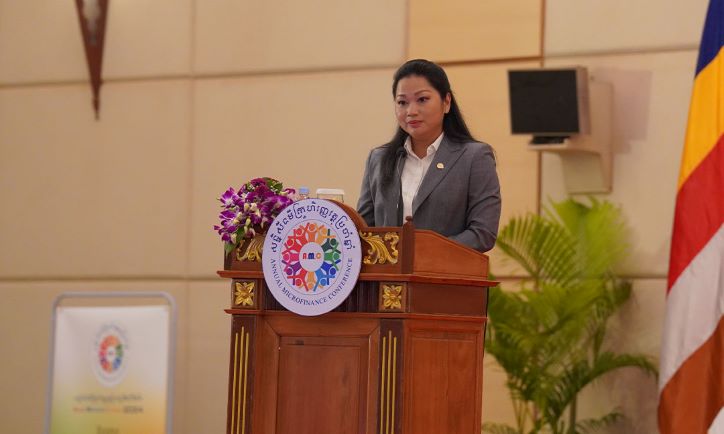
The Cambodia Microfinance Association (CMA) successfully hosted its Annual Microfinance Conference in Siem Reap, attracting over 300 leaders, policymakers, and international partners. The event, themed “Sustainable and Inclusive Microfinance: Current Situation and Future Trends,” underscored CMA’s commitment to financial inclusion and responsible growth.

Mrs. Dith Nita, Chairwoman of CMA, opened the conference by emphasizing the necessity of sustainable and inclusive microfinance. “Together, we’re working toward a stronger economy, a fairer society, and a financial system that serves all Cambodians,” she stated. Her remarks highlighted CMA’s dedication to client protection and empowerment, particularly in Cambodia’s rural and underserved communities.

CMA’s 132 member institutions play a pivotal role in this mission, managing a combined loan portfolio of $5.11 billion USD, serving 1.55 million active borrowers, and holding $2.21 billion in deposits across nearly two million accounts, 67% of which are held by women. This initiative significantly supports local employment, with over 21,000 staff members across 900 branches.

A key highlight of the conference was the recognition of the Bakong payment system, developed by the National Bank of Cambodia (NBC). Launched in 2020, Bakong now boasts ten million active wallets, providing seamless, low-cost digital finance services and advancing financial inclusion.

In addition to client protection, CMA is pioneering green finance initiatives in collaboration with Oxfam and Water.org. These efforts focus on developing water, sanitation, and hygiene (WASH) products and advancing environmental sustainability.

Throughout the event, CMA emphasized the importance of financial literacy, capacity building, and adhering to a strong code of conduct to create a transparent, resilient financial sector. The conference concluded with a call to action for continued collaborative efforts in promoting sustainable and inclusive finance.

គិតត្រឹមដើមខែវិច្ឆិកា គ្រឹះស្ថានមីក្រូហិរញ្ញវត្ថុបាន​ផ្តល់ឥណទានសរុបចំនួន ៥,១១ពាន់លានដុល្លារដល់អតិថិជន ១,៥៥លានគណនី

គ្រឹះស្ថានហិរញ្ញវត្ថុជាសមាជិកទាំង១៣២ នៃសមាគមីក្រូហិរញ្ញវត្ថុកម្ពុជា(CMA) ​បានផ្តល់ឥណទានសរុបចំនួន ៥,១១ពាន់លានដុល្លារដល់អតិថិជន ១,៥៥លានគណនី និងទទួលប្រាក់បញ្ញើ ២,២១ប៊ីលានដុល្លាពីអតិថិជនជិត ២លានគណនី ក្នុងនោះមាន ៦៧% ជាស្ត្រី។ នេះយោងតាមសេចក្តីប្រកាសព័ត៌មានរបស់ CMA។

តួលេរបស់​ CMA បានបង្ហាញនៅក្នុងសន្និសីទមីក្រូហិរញ្ញវត្ថុប្រចាំឆ្នាំរបស់ខ្លួនដែលធ្វើឡើងនៅក្នុងទីរួមខេត្តសៀមរាបនៅព្រឹកថ្ងៃទី៥ខែ វិច្ឆិកានេះ ក្រោមប្រធានបទ «និរន្តរភាព និងបរិយាបន្នមីក្រូហិរញ្ញវត្ថុ៖ បច្ចុប្បន្នភាព និងដំណើរវិវឌ្ឍន៍នៃវិស័យ»។

លោកស្រី ឌិត នីតា ប្រធានក្រុមប្រឹក្សាភិបាលនៃសមាគមីក្រូហិរញ្ញវត្ថុកម្ពុជាបានថ្លែងថា៖ «និរន្តភាព និងបរិយាបន្នមីក្រូហិរញ្ញវត្ថុមិនមែនគ្រាន់តែជាគោលដៅប៉ុណ្ណោះទេ តែជាកត្តាចាំបាច់មិនអាចខ្វះបាន។ យើងកំពុងធ្វើការងាររួមគ្នាដើម្បីធ្វើឱ្យសេដ្ឋកិច្ចកម្ពុជាកាន់តែរឹងមាំ សមភាពសង្គមកាន់តែប្រសើរ និងប្រព័ន្ធហិរញ្ញវត្ថុដែលបម្រើប្រជាជនគ្រប់ៗរូប។

លោកស្រីបានគូសបញ្ជាក់អំពីការប្តេជ្ញារបស់សមាគមក្នុងការលើកកម្ពស់​សិទ្ធិ និងកិច្ចការពារអតិថិជននៅទូទាំងសហគមន៍ជនបទ និង សហគមន៍ខ្វះខាត ដែលមានប្រមាណ ៧៤,៤% នៃចំនួនប្រជាជនកម្ពុជា។

​បើតាម CMA បច្ចុប្បន្នបាគងមានអ្នកប្រើប្រាស់ជាប្រចាំចំនួន ១០លានគណនី ដោយបានភ្ជាប់សេវាហិរញ្ញវត្ថុបែបប្រពៃណីទៅនឹងប្រជាជនដែលមិនទានមានគណនីធនាគារ តាមរយៈប្រព័ន្ធហិរញ្ញវត្ថុឌីជីថលដែលមានល្បឿនលឿននិងតម្លៃថោក។

«ប្រព័ន្ធទូទាត់នេះទទួលបានការសាទរជាអន្តរជាតិដោយសារការពន្លឿនបរិយាបន្នហិរញ្ញវត្ថុ ហើយសមាគមមីក្រូហិរញ្ញវត្ថុកម្ពុជាសូមសម្តែងការដឹងគុណយ៉ាងជ្រាលជ្រៅចំពោះធនាគារជាតិនៃកម្ពុជា ចំពោះភាពជាអ្នកដឹកនាំក្នុងការគាំទ្រដល់ដំណើរវិវឌ្ឍឆ្ពោះទៅរកភាពធន់នៃសេដ្ឋកិច្ច និងការលើកកម្ពស់អតិថិជន»។ នេះបើតាម​ CMA។

ជាមួយគ្នានេះដែរ សមាគមក៏កំពុងសហការជាមួយអង្គការ Oxfam ក្នុងការលើកកម្ពស់ហិរញ្ញវត្ថុបៃតង និងកំពុងធ្វើការយ៉ាងជិតស្និទ្ធជាមួយអង្គការ Water.org ក្នុងការផ្តល់ជំនួយបច្ចេកទេសដើម្បីអភិវឌ្ឍផលិតទឹកស្អាត និងអនាម័យក្នុងចំណោមគ្រឹះស្ថានហិរញ្ញវត្ថុ។

លោកស្រី ឌិត នីតា មានប្រសាសន៍ថា៖ «យើងលើកទឹកចិត្តគ្រឹះស្ថានជាសមាជិករបស់យើងឱ្យចាត់ទុកហិរញ្ញវត្ថុបៃតងថាជាកត្តាចាំបាច់ ដើម្បីឈានទៅរកនិរន្តរភាព ដែលផ្តល់អត្ថប្រយោជន៍ដល់អតិថិជន និងបរិស្ថាន»៕


ADB Provides $10 Million Grant to Address Gender-Based Violence in Cambodia

The Asian Development Bank (ADB) on November 4 approved $10 million in grant financing to address gender-based violence (GBV) in Cambodia to help meet the country’s target of zero GBV by 2030.
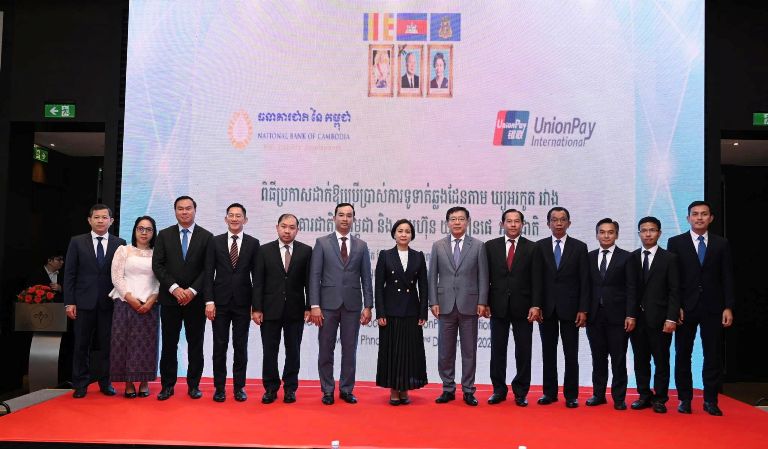
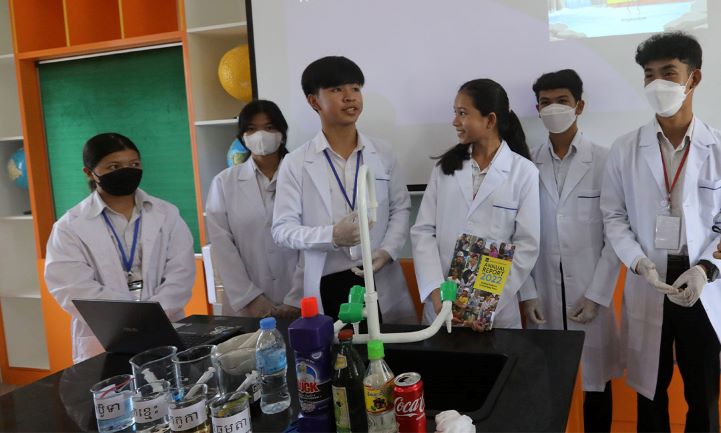
The Strengthening Country Systems for Prevention and Response to GBV project is ADB’s first stand-alone Asian Development Fund (ADF) grant specifically focused on gender equality in Southeast Asia, and establishes a clear link between governance systems, public financial management, and the quality and accessibility of services addressing GBV.

The project will strengthen legal and institutional frameworks by updating Cambodia’s legislation on domestic violence; improve service delivery at the local level by strengthening the quality and accessibility of response services and refurbishing shelters for survivors, especially in rural areas; and leverage digital solutions in adolescent school-based and community-based programs to promote prevention. It will enhance digital solutions for 24/7 access to information, education, and communication resources on GBV in an effort to link prevention and response in a continuum for maximum impact.

“This important project will enhance systemic responses, expand access to shelters, and ensure survivors receive the care they need,” said ADB Country Director for Cambodia Jyotsana Varma. “It will also promote community-based programs on prevention, empowering local communities to play a key role in raising awareness and stopping violence before it occurs. ADB remains committed to supporting Cambodia in building a safer, more inclusive society for all.”

The incidence of GBV remains persistently high even as Cambodia has made significant strides in combating it with the government and civil society organizations piloting promising prevention approaches. Since 2014, the prevalence of intimate partner violence has decreased by 8 percentage points to 21% women (aged 15–49) experiencing it at least once in their lifetime, according to the World Health Organization. While better than the global and Southeast Asian average of 30%, Cambodia still faces hurdles due to uneven response hindered by multiple public agencies, and limited survivor-centered care.

Building on lessons from previous GBV projects in Asia, this initiative promotes a comprehensive, whole-of-government approach that integrates gender equality and GBV considerations across key ministries for Women’s Affairs, Interior, and Economy and Finance to ensure a coordinated response.

This $10 million project is funded by a grant from the Asian Development Fund, which supports ADB’s vulnerable developing member countries.

កម្ពុជាទទួលបានជំនួយឥតសំណងចំនួន១០លានដុល្លារពីADB ផ្តោតលើ យេនឌ័រ

ធនាគារអភិវឌ្ឍន៍អាស៊ី (ADB) នៅព្រឹកថ្ងៃទី៤នេះបានឱ្យដឹងថា ខ្លួនបានអនុម័តហិរញ្ញប្បទានឥតសំណងចំនួន ១0 លានដុល្លារ ដើម្បីគាំទ្រការឆ្លើយតបនឹងអំពើ​ហិង្សា​ដែល ទាក់ទងនឹងយេនឌ័រ (GBV) នៅកម្ពុជា ក្នុងគោលបំណងជួយកម្ពុជាសម្រេចគោលដៅ​ជា ប្រទេស​គ្មាន អំពើហិង្សាដែលទាក់ទងនឹងយេនឌ័រ នៅឆ្នាំ២០៣០។
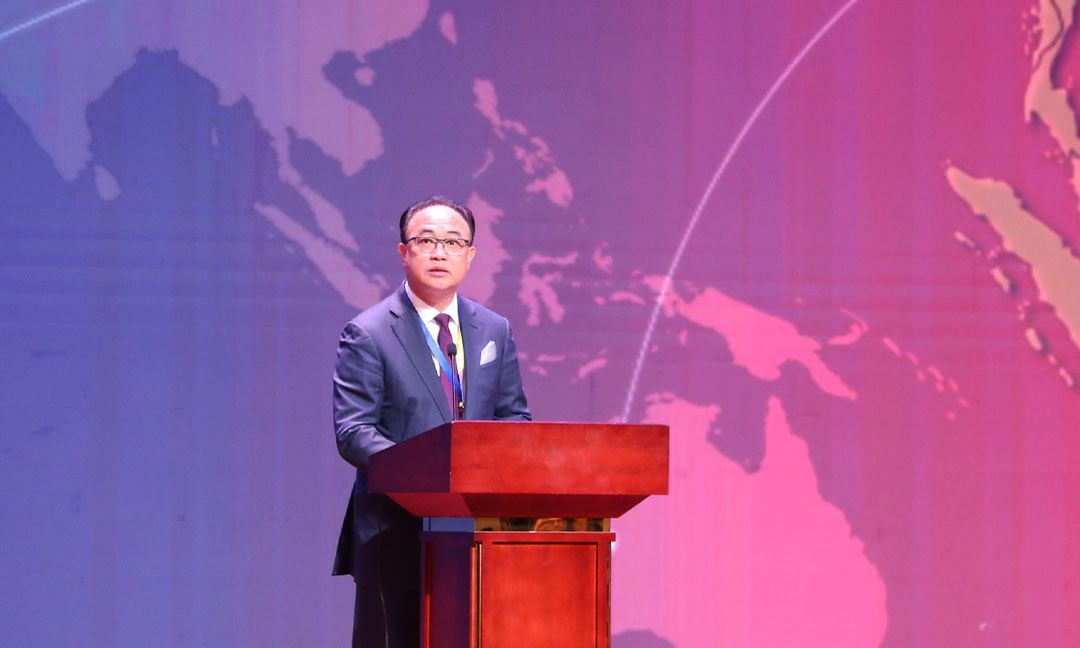
បើយោងតាម ADB​ សម្រាប់គម្រោងពង្រឹងប្រព័ន្ធសម្រាប់ប្រទេសដើម្បីការបង្ការ និងឆ្លើយតបនឹងអំពើ​ហិង្សា​ដែលទាក់ទង​​នឹង យេនឌ័រ ជាគំនិតផ្តួចផ្តើមដោយឡែកដំបូងរបស់មូលនិធិ​អភិវឌ្ឍន៍​អាស៊ី (ADF) ដែលផ្តោតជាពិសេសលើ សមភាព​យេនឌ័រ​ក្នុងតំបន់អាស៊ីអាគ្នេយ៍ ហើយបង្កើតទំនាក់ទំនងច្បាស់លាស់រវាងប្រព័ន្ធអភិបាលកិច្ច ការ គ្រប់គ្រង​ហិរញ្ញវត្ថុ​សាធារណៈ ព្រមទាំងគុណភាពនិងលទ្ធភាពទទួលបានសេវាកម្ម ឆ្លើយតបនឹង GBV ។

គម្រោង១0 លានដុល្លារនេះ ត្រូវបានផ្តល់ហិរញ្ញប្បទានជាជំនួយឥតសំណងពីមូលនិធិ​អភិវឌ្ឍន៍​អាស៊ី ដែលគាំទ្រដល់ប្រទេសសមាជិកកំពុងអភិវឌ្ឍ របស់ ADB ដែលត្រូវការជំនួយគាំ​ទ្រនេះ​បំផុត ។

«គម្រោងនេះនឹង ពង្រឹងក្របខណ្ឌច្បាប់និងស្ថាប័នតាមរយៈការធ្វើបច្ចុប្បន្នភាពច្បាប់របស់​កម្ពុជា​ស្តីពីអំពើ​ហិង្សាក្នុងគ្រួសារ ធ្វើអោយប្រសើរឡើងនូវការផ្តល់សេវានៅថ្នាក់មូលដ្ឋានដោយពង្រឹងគុណ​ភាព និងលទ្ធភាពទទួលបានសេវាឆ្លើយតបនិងចាត់ចែងជម្រកសុវត្ថិភាពសម្រាប់ជនរងគ្រោះ ជាពិសេស​នៅ តំបន់​ជនបទ និង ជំរុញការប្រើប្រាស់ដំណោះស្រាយឌីជីថលនៅក្នុងកម្មវិធីមានមូលដ្ឋាននៅសាលារៀន និង​នៅ​​សហគមន៍​សម្រាប់មនុស្សវ័យជំទង់ ដើម្បីពង្រឹងសេវាការពារ»។​នេះបើយោងតាម​ ADB។

បើយោងតាម ADB ចំនួនករណី GBV នៅតែបន្តមានច្រើន ទោះបីជាប្រទេសកម្ពុជាបានបោះជំហានយ៉ាងសំខាន់ក្នុង​ការ​ប្រយុទ្ធប្រឆាំងនឹង GBV ដែលក្នុងនោះរាជរដ្ឋាភិបាល និងអង្គការសង្គមស៊ីវិលបានធ្វើការសាកល្បង​វិធីសាស្រ្ត​បង្ការប្រកបដោយជោគជ័យក៏ដោយ។

ចាប់តាំងពីឆ្នាំ ២០១៤ កម្រិតអត្រាករណីអំពើហឹង្សាបង្ក​ដោយដៃគូស្និទ្ធស្នាលបានថយចុះ ៨ ពិន្ទុភាគរយ ​មក ២១% សម្រាប់ចំនួនស្ត្រី (អាយុ ១៥ ដល់ ៤៩ ឆ្នាំ) ដែលទទួលរងអំពើហិង្សាយ៉ាងហោចណាស់ម្តងក្នុងជីវិតពួកគាត់ នេះបើយោងតាមអង្គការ​សុខភាព​ពិភព​លោក។ ទោះបីកម្រិតនេះប្រសើរជាងកម្រិតមធ្យមភាគពិភពលោក និងអាស៊ីអាគ្នេយ៍ដែលមាន ៣0% កម្ពុជា​ នៅតែប្រឈមមុខនឹងឧបសគ្គ ដោយសារការឆ្លើយតបមិនទាន់រលូន​ បណ្តាលមកពី ភ្នាក់ងារ​សាធារណៈច្រើន និងសេវាថែទាំដែលផ្តោតលើជនរងគ្រោះ​ នៅមានកម្រិត។

ជាមួយគ្នានេះដែរ សម្រាប់គម្រោងនេះនឹងលើកកម្ពស់ដំណោះស្រាយ​ឌីជីថល​​​សម្រាប់​ការទទួលបានព័ត៌មាន ការអប់រំ និងធនធានទំនាក់ទំនង ២៤/៧ (២៤ម៉ោងក្នុង១ថ្ងៃនិង​៧ថ្ងៃក្នុង​១សប្តាហ៍) អំពី GBV ដែលជាកិច្ចខិតខំប្រឹងប្រែងដើម្បីភ្ជាប់កិច្ចការពារ និងការឆ្លើយតបជា​បន្ត​សំដៅ​​ទទួល​​បានផលជះវិជ្ជមានជាអតិបរមា។

លោកស្រី Jyotsana Varma នាយិកា ធនាគារអភិវឌ្ឍន៍អាស៊ីប្រចាំកម្ពុជា មាន​ប្រសាសន៍ថា គម្រោងដ៏សំខាន់នេះ នឹងពង្រឹងយន្តការឆ្លើយតបជាប្រព័ន្ធ ពង្រីកលទ្ធភាពទទួលបានជម្រកសុវត្ថិភាព និងធានាថាជនរងគ្រោះទទួលបានការថែទាំដែលពួកគាត់ត្រូវការ។​

លោកស្រីថា៖«គម្រោងក៏នឹងលើកកម្ពស់កម្មវិធី​ការ​ពារ​​​មានមូលដ្ឋាននៅសហគមន៍ដែលផ្តល់សិទ្ធិអំណាចដល់សហគមន៍មូលដ្ឋាន ដើម្បីដើរតួនាទី​សំខាន់​ក្នុងការបង្កើនការយល់ដឹង និងបញ្ឈប់អំពើហិង្សា មុនពេលវាកើតឡើង។ ADB បន្តប្តេជ្ញា​គាំទ្រកម្ពុជាក្នុង​ការ​កសាងសង្គមដែលមានសុវត្ថិភាព និងបរិយាបន្នកាន់តែច្រើនសម្រាប់ទាំងអស់គ្នា»។​

ដោយផ្អែកលើមេរៀនពីគម្រោង GBV មុនៗនៅអាស៊ី គំនិតផ្តួចផ្តើមនេះលើកកម្ពស់ វិធីសាស្រ្ត ដែលមានការចូលរួមសកម្មពីគ្រប់ភ្នាក់ងាររដ្ឋាភិបាល​ដោយរួមបញ្ចូលសមភាពយេនឌ័រ និងការយកចិត្ត​ទុក​ដាក់លើ GBV ពីក្រសួងសំខាន់ៗ​ រួមមានក្រសួងកិច្ចការស្ត្រី ក្រសួងមហាផ្ទៃ និង ក្រសួងសេដ្ឋកិច្ចនិង ហិរញ្ញវត្ថុ ដើម្បីធានាបាននូវការឆ្លើយតបប្រកបដោយកិច្ចសហការ៕


កម្ពុជាទទួលបានហិរញ្ញប្បទាន៨០ លានដុល្លារពីADB ដើម្បីលើកកម្ពស់គុណភាពក្នុងវិស័យអប់រំ

ធនាគារអភិវឌ្ឍន៍អាស៊ី (ADB) បានអនុម័តប្រាក់កម្ចីចំនួន ៨0 លានដុល្លារ ដើម្បីពង្រឹងការអប់រំកម្រិតមធ្យមសិក្សានៅកម្ពុជា ដោយផ្តោតលើជំនាញ «សតវត្សទី ២១» ដូចជាការគិតស៊ីជម្រៅនិងដោយភាពច្នៃប្រឌិត ការបង្រៀនដោយបរិយាបន្នសម្រាប់ទាំងសិស្សប្រុសនិងសិស្សស្រី  និង ការត្រួសត្រាយផ្លូវសម្រាប់ការអប់រំក្រោយមធ្យមសិក្សា។

យោងតាម ADB  ការអនុម័តនេះត្រូវបានធ្វើឡើនៅថ្ងៃទី៣១ ខែតុលា ឆ្នាំ២០២៤ សម្រាប់គម្រោងអប់រំថ្នាក់មធ្យមសិក្សាដើម្បីពង្រឹងសមត្ថភាពប្រកួតប្រជែងផ្នែកមូលធនមនុស្សនេះនឹងបង្កើនចំនួនអគារសិក្សា ដែលធន់នឹងអាកាសធាតុប្រកបដោយបរិយាបន្ន (រួមទាំងថ្នាក់រៀនបន្ថែម ចំនួន ៤00) ដើម្បីដោះស្រាយស្ថានភាពចង្អៀតក្នុងថ្នាក់រៀន និង ពង្រីកលទ្ធភាពទទួលបានការអប់រំមធ្យមសិក្សាទុតិយភូមិប្រកបដោយគុណភាព។

សម្រាប់គម្រោងនេះនឹងធ្វើឱ្យប្រសើរឡើងនូវលទ្ធភាពទទួលបានការអប់រំ ជាពិសេសសម្រាប់សិស្សានុសិស្សដែលមានពិការភាពក្នុងការសិក្សា តាមរយៈការអភិវឌ្ឍបច្ចេកវិទ្យាជំនួយ និងការគាំទ្រដល់សាលា មធ្យមសិក្សាអប់រំពិសេស។

គម្រោងនេះនឹងលើកកម្ពស់ការអប់រំលើមុខវិជ្ជាវិទ្យាសាស្ត្រ បច្ចេកវិទ្យា វិស្វកម្ម និងគណិតវិទ្យា (STEM) ដើម្បីរៀបចំក្រុមកំលាំងពលកម្មសម្រាប់ពេលអនាគត ដែលមានជំនាញស្រប តាមតម្រូវការឧស្សាហកម្ម។ សម្រាប់គោលដៅដូចគ្នានេះដែរ គម្រោងនឹងអភិវឌ្ឍជំនាញទន់ ដូចជាការ ទំនាក់ទំនង ការសហការ និងការគិតប្រកបដោយការរិះគន់ និង ការគិតស៊ីជម្រៅនិងដោយភាពច្នៃប្រឌិត សម្រាប់សិស្សានុសិស្ស។

គម្រោងនេះនឹងវិនិយោគលើការកែលម្អការអភិវឌ្ឍវិជ្ជាជីវៈរបស់គ្រូបង្រៀន ដើម្បី ជំរុញវិធីសាស្ត្របង្រៀនតាមបែបគម្រោង ដែលរួមបញ្ចូលការងារជាក្រុម ការដោះស្រាយបញ្ហា ជាក់ ស្តែង និងការចូលរួមជាមួយសហគមន៍។ គម្រោងក៏នឹងពិនិត្យ និងពង្រឹងការប្រឡងបញ្ចប់ការសិក្សាថ្នាក់ ទី១២ ដើម្បីពិនិត្យវាយតម្លៃមើលឱ្យកាន់តែច្បាស់នូវកម្មវិធីសិក្សាដែលបានធ្វើទំនើបកម្ម ក៏ដូចជាបង្កើតវគ្គសិក្សាបំប៉នពិសេសក្នុងវិស័យអាទិភាព ដូចជាសេដ្ឋកិច្ចឌីជីថល និងគណិតវិទ្យាអនុវត្ត សំដៅពង្រឹងប្រភព ធនធានមនុស្សប្រកបដោយជំនាញ។

គម្រោងនេះគឺជាធាតុផ្សំដ៏សំខាន់នៃការគាំទ្ររបស់ ADB សម្រាប់រាជរដ្ឋាភិបាលក្នុងការលើកកម្ពស់ការអភិវឌ្ឍធនធានមនុស្ស។ វាស្របតាមយុទ្ធសាស្ត្របញ្ចកោណរបស់រដ្ឋាភិបាលសម្រាប់កំណើន ការងារ សមធម៌ ប្រសិទ្ធភាព និងចីរភាព ក៏ដូចជា យុទ្ធសាស្ត្រភាពជាដៃគូសម្រាប់អភិវឌ្ឍន៍កម្ពុជារបស់ADB ឆ្នាំ ២០២៤-២០២៨។

លោកស្រី Jyotsana Varma នាយិកា ធនាគារអភិវឌ្ឍន៍អាស៊ីប្រចាំកម្ពុជា មានប្រសាសន៍ថា​កម្ពុជាត្រូវពន្លឿនការផ្លាស់ប្តូរទៅរកសកម្មភាពសេដ្ឋកិច្ចដែលបន្ថែមតម្លៃខ្ពស់ ជាពិសេសសកម្មភាពដែលជំរុញដោយបច្ចេកវិទ្យា ដើម្បីរក្សាសមត្ថភាពប្រកួតប្រជែងជាសកល និងពង្រឹងវឌ្ឍនភាពសេដ្ឋកិច្ចដ៏គួរឱ្យ កត់សម្គាល់របស់ខ្លួនកន្លងមកនេះ។

លោកស្រីថា៖«កម្លាំងពលកម្មប្រកបដោយជំនាញ និង ការអប់រំ គឺជាតម្រូវការ មូលដ្ឋានដើម្បីសម្រេចបានគោលដៅនេះ។ ឈរលើសមិទ្ធផលនៃការវិនិយោគជាបន្តបន្ទាប់របស់ ADB ក្នុង វិស័យអប់រំ និងអភិវឌ្ឍន៍ជំនាញ គម្រោងនេះមានគោលបំណងពង្រីកសក្តានុពលនៃចំនួនពលរដ្ឋវ័យក្មេងរបស់កម្ពុជា ដើម្បីជំរុញកំណើនសេដ្ឋកិច្ចនាពេលអនាគត»។

បើយោងតាម ADB ចំនួនចុះឈ្មោះពិតនៃការសិក្សាមធ្យមសិក្សាទុតិយភូមិ នៅមានអត្រាទាបត្រឹមតែ៣៥,៥% នៅក្នុងប្រទេសកម្ពុជា ដោយសារកត្តាដូចជាអគារសិក្សាមិនគ្រប់គ្រាន់ និងសេដ្ឋកិច្ចគ្រួសារ ជាពិសេសសម្រាប់ ក្មេងប្រុសដែលត្រូវរួមចំណែកប្រាក់រកចំណូលគ្រួសារ។ គ្រូបង្រៀនត្រូវការការបណ្តុះបណ្តាល និងការគាំទ្របន្ថែម ដើម្បីអភិវឌ្ឍជំនាញ និងសមត្ថភាពឱ្យឆ្លើយតបនឹងតម្រូវការដើម្បីបង្រៀនសិស្សបច្ចុប្បន្ន។ ជាងនេះទៅទៀត សិស្សដែលត្រូវការការអប់រំពិសេសត្រូវប្រឈមនឹងឧបសគ្គកាន់តែខ្លាំងដើម្បីទទួលបានការអប់រំមធ្យមសិក្សាប្រកបដោយគុណភាព៕


ADB’s $80 Million Project to Enhance Access and Quality of Secondary Education in Cambodia

The Asian Development Bank (ADB) approved an $80 million loan to enhance secondary education in Cambodia, spotlighting “21st century” skills like critical and creative thinking, inclusive teaching for boys and girls, and expanding pathways to post-secondary education. The Secondary Education for Human Capital Competitiveness Project will expand the number of inclusive climate-resilient school facilities—including an additional 400 classrooms—to address classroom overcrowding and expand access to quality upper secondary education.

“Cambodia needs to accelerate the shift to higher value-added economic activities, especially those driven by technology, to remain globally competitive and consolidate its remarkable economic progress in the recent past,” said ADB Country Director for Cambodia Jyotsana Varma. “A skilled and educated workforce is a prerequisite for this to happen. Building on ADB’s ongoing investments in education and skills development, this project aims to maximize the potential of Cambodia’s young population to drive future economic growth.”

Net enrollment in upper secondary education remains low in Cambodia at 35.5% due to factors such as inadequate school facilities and economic constraints, especially for boys who are expected to contribute to their household income. Teachers require additional training and support to develop in-demand skills and competencies in students. Moreover, students with special education needs face even greater barriers to quality secondary education.

The project will improve access to education, especially for students with learning disabilities by developing assistive technology and supporting special education secondary schools. The project will promote education in science, technology, engineering and math (STEM) subjects to prepare a future cohort of workers possessing skills aligned with industry demand. To the same end, the project will seek to develop soft skills like communication, collaboration, and critical and creative thinking in students. The project will invest in improving professional development of teachers to encourage project-based teaching that incorporates group work, real-world problem solving, and community engagement. It will also review and strengthen the grade 12 national examination to better reflect the modernized curriculum, as well as develop fast-track courses in priority fields—like digital economy and applied mathematics—that aim to strengthen the pipeline of skilled human resources.

The project is a key component of ADB’s support for the government to enhance human capital development. It aligns with the government’s pentagonal strategy for growth, employment, equity, efficiency and sustainability, as well as ADB’s country partnership strategy for Cambodia, 2024–2028.


Cambodia’s Business Leader Calls for Stronger Regional Connectivity

Neak Oknha Kith Meng, President of the Cambodia Chamber of Commerce and Chair of ASEAN-BAC Cambodia, emphasized the crucial role of the private sector in strengthening regional connectivity during a networking breakfast session with the Prime Ministers of Laos, Vietnam, and Cambodia.

Addressing the gathering in Vientiane, Lao PDR, on October 10, 2024, Meng highlighted the opportunities and challenges presented by the region’s increasing interconnectedness. He urged businesses to embrace digital transformation and invest in technology and skills development to capitalize on the growing market.

Meng also stressed the importance of sustainable and inclusive development, emphasizing the need for businesses to collaborate with governments and ensure that the benefits of connectivity reach all segments of society. He called for greater focus on environmental sustainability and social responsibility in infrastructure projects.

Looking ahead, Meng expressed optimism about the region’s future, but cautioned that continued investment in connectivity, innovation, and people is essential to fully realize its potential.

According to the ASEAN Secretariat, the total trade value among ASEAN member states reached US$811 billion in 2023, an increase of 1.3% compared to the previous year. The top three trading partners of ASEAN were Singapore, Malaysia, and Thailand.

Foreign direct investment (FDI) inflows into ASEAN also increased in 2023, reaching US$173 billion. Singapore, Vietnam, and Thailand were the top recipients of FDI.

Cambodia’s Economic Resilience Amidst Global Challenges

Despite facing global economic headwinds, Cambodia’s economy has demonstrated remarkable resilience, maintaining a steady growth trajectory. According to a recent report by the Asian Development Bank (ADB), the country’s GDP is projected to expand by 5.2% in 2024, driven by strong domestic demand and robust exports.

Key sectors contributing to Cambodia’s growth include garment and footwear manufacturing, tourism, and agriculture. The garment and footwear industry continues to be a major driver of economic activity, with exports to key markets such as the United States and the European Union remaining strong.

Tourism, another vital sector, has shown signs of recovery following the pandemic. International visitor arrivals have been steadily increasing, boosting related industries such as hospitality, transportation, and retail.

“However, the construction and real estate sectors are going through a correction, following rapid growth in prior years,” Kenichiro Kashiwase, IMF mission chief for Cambodia, said at the conclusion of a visit to Cambodia from Sept. 17 to 30.

Kashiwase said risks to the outlook have shifted to the downside, notably due to weaker-than-projected demand from advanced economies, geoeconomic fragmentation, and high domestic private debt.

“Rising NPLs in the tourism and real estate sectors also pose risks to growth and financial stability,” he said. “On the upside, a continued loosening of global financial conditions would support the recovery.”

Kashiwase said inflation has moderated to an average of 1.6 percent year-on-year in the first half of 2024, down from 2.1 percent in 2023, reflecting global commodity price trends and weak domestic demand growth.

“For the full year, inflation is projected to reach around 1.5 percent before converging towards the long-term trend of 3 percent,” he said.

While Cambodia’s economy is generally positive, there are challenges to address. Rising inflation, coupled with rising interest rates, could impact consumer spending and investment. Additionally, the country’s dependence on external factors, such as global trade and economic conditions, makes it vulnerable to external shocks.

To mitigate these risks, the Cambodian government has implemented various measures to support economic growth, including infrastructure development, investment promotion, and social safety nets. These efforts aim to create a more diversified and sustainable economy.

Overall, Cambodia’s economic outlook remains optimistic, with the country poised to continue its growth trajectory in the coming years. However, it is essential to address emerging challenges and maintain a focus on sustainable development to ensure long-term prosperity.