Cycling Route Offers a Scenic and Eco-Friendly Way to Explore Angkor

The introduction of a cycling route at Angkor by the APSARA National Authority provides tourists with a peaceful and environmentally friendly option to explore the stunning scenery of this historic site. This 40-kilometer route offers a unique perspective for visitors who wish to immerse themselves in the beauty of Angkor while enjoying fresh air and natural surroundings.

In addition to traditional modes of transportation like cars and motorbikes, the cycling route has become a popular choice among tourists seeking a different experience. The appeal of cycling lies in its ability to offer a more intimate connection with the environment, allowing visitors to enjoy picturesque landscapes, forests, and rice fields while experiencing the daily life and culture of the local community.

Overall, the cycling route at Angkor, organized by the APSARA National Authority, provides tourists with a refreshing and memorable experience that combines physical activity, environmental consciousness, and cultural immersion. It’s a fantastic option for those looking to see Angkor in a new light and connect more closely with their surroundings.

Phnom Penh-Siem Reap-Poipet Expressway Study Completed and Awaiting Submission to the Royal Government of Cambodia

The study for the Phnom Penh-Siem Reap-Poipet Expressway project has been completed and is set to be presented to the Royal Government of Cambodia soon. This was confirmed by a spokesperson for the Ministry of Public Works and Transport on July 16, 2024.

Mr. Phorn Rim, spokesperson for the Ministry of Public Works and Transport, indicated that the Phnom Penh-Siem Reap-Poipet Expressway is a significant undertaking, demonstrating the Royal Government’s dedication to improving modern traffic conditions, enhancing the transport of goods and logistics, and boosting connectivity to key historical sites in Cambodia and the Cambodian-Thai border.

The proposed expressway will extend approximately 420 kilometers, starting from Win-Win Boulevard in Phnom Penh and ending at Poipet in Banteay Meanchey Province, near the Cambodia-Thailand border.

Mr. Phorn Rim noted that the construction company has finished several essential surveys, including traffic volume, hydrological, geotechnical, topographical, and assessments of cultural relics and nature reserves. He mentioned that the company has been preparing, summarizing, and evaluating these findings and will be ready to submit the final report to the Royal Government shortly.

CRBC (China Road and Bridge Corporation) has been granted authorization by the Royal Government to invest in the Phnom Penh-Siem Reap-Poipet Expressway project. CRBC is internationally renowned for its expertise in large infrastructure projects and has prior experience in Cambodia with the Phnom Penh-Sihanoukville Expressway and the ongoing Phnom Penh-Bavet Expressway project.

The expressway will be designed to the same standards as the Phnom Penh-Sihanoukville and Phnom Penh-Bavet expressways, featuring a four-lane road paved with concrete (AC), measuring 24.5 meters in width. It will have two lanes in each direction, each 3.75 meters wide, a 3-meter-wide median strip, 2.5-meter-wide emergency stop lanes, and 0.75-meter-wide sidewalks. The expressway will support speeds of 100 to 120 km per hour.

The project will be executed in two phases: Phase 1 will cover the 249-kilometer stretch from Phnom Penh to Siem Reap at an estimated cost of $2.5 billion, and Phase 2 will cover the 151-kilometer stretch from Siem Reap to Poipet at an estimated cost of $1.7 billion.

Vietnam Airlines to Introduce Hanoi-Phnom Penh Flights in October

Vietnam Airlines has revealed plans to start direct flights between Hanoi and Phnom Penh on October 27, as reported by VNA, a Vietnamese news source.

The airline will operate four round-trip flights each week using Airbus A321 aircraft, with flights scheduled for Mondays, Wednesdays, Fridays, and Sundays.

Currently, travelers flying from Hanoi to Phnom Penh with Vietnam Airlines must transit in Vientiane. The new direct route will bring the total number of routes to five and increase weekly flights between the two countries to 86.

Vietnam Airlines has also signed cooperation agreements with Cambodia Angkor Air, the Cambodian Tourism Association, and the Vietnamese travel company Saigontourist Group. These partnerships aim to promote tourism in both Vietnam and Cambodia and offer mutual support for their services and products.

Annually, around 450,000 people travel by air between Vietnam and Cambodia, with an annual growth rate of 24% over the past three decades.

In 2023, 1 million Vietnamese tourists visited Cambodia, while over 400,000 Cambodians traveled to Vietnam.

Setting the Stage for Growth: Kim’s Vision for TWPR’s Future  

As the global economy remains uncertain, many companies around the world have been impacted and forced to shut down. This economic climate has also presented challenges for both PR and strategic communications agencies.

In an interview with Investing Cambodia, Ms. Kim Hoan PHENG, Managing Director of TWPR, an internationally competitive PR and strategic communications agency known for connecting brands, discussed these challenges and how she, as a woman entrepreneur, has overcome them in this difficult situation.

Can you briefly tell us about your company? How long have you been in operation?

Ms. Kim: TWPR has been operating for over five years, establishing itself as a leading provider of public relations and strategic communications in Southeast Asia. Recently, we have evolved into a full-fledged Integrated Marketing and Communications (IMC) agency, offering comprehensive 360-degree services, including digital marketing, to cater to expanding client needs and industry demands. Our services connect brands with the right audience across Southeast Asia, leveraging the over 50 years of combined professional experience from our dynamic team. This transformation marks a significant milestone as TWPR continues to innovate and excel in the IMC landscape of Cambodia.

With the health crisis impacting the economy for over four years, how has your business fared? How do you maintain sustainability?

Ms. Kim: Despite the challenges posed by the health crisis over the past four years, our business has maintained resilience and adaptability. We navigated the economic backdrop by prioritizing several key strategies for sustainability. These include:

  1. Adaptation and Innovation: We swiftly adapted our services to meet evolving client needs and market conditions. This flexibility allowed us to remain relevant and responsive in a rapidly changing environment.
  2. Client Engagement: We intensified efforts in client engagement, ensuring proactive communication and support. This strengthened relationships and loyalty amidst uncertainty.
  3. Operational Efficiency: Implementing streamlined operational practices and cost-effective measures helped us maintain financial stability and efficiency.
  4. Digital Transformation: Embracing digital tools and platforms enabled us to enhance service delivery and expand our reach despite physical limitations.
  5. Team Resilience: Our dedicated team’s resilience and commitment played a crucial role in overcoming challenges and driving continued growth.

What key sectors are experiencing growth? What recent achievements can you share from your company?

Ms. Kim: Currently, we observe significant growth in several key sectors, including technology, e-commerce, sustainability, healthcare, and financial technology (FinTech). These sectors are experiencing increased demand for communication and marketing services as they expand and innovate in response to market dynamics.

Recently, our company achieved notable milestones across these sectors. We successfully launched impactful campaigns that enhanced brand visibility and engagement for the health sector who are entering new market. Our strategic communications initiatives contributed to the growth and recognition of sustainable brands committed to environmental stewardship. Additionally, in the FinTech sector, our expertise in digital marketing and strategic communication played a pivotal role in promoting and enhancing the client payment gateway, ensuring secure and efficient transactions for users.

These achievements underscore our ability to navigate diverse sectors and deliver tailored solutions that drive client success and industry impact.

As a successful leader, how do you approach your role beyond gender?

Ms. Kim: As a leader, I’ve always approached my role with a focus on entrepreneurship rather than gender. I believe that success in leadership transcends gender, as long as we understand and embrace the responsibilities and challenges that come with it. I never considered myself solely as a businesswoman but rather as an entrepreneur and leader who is dedicated to continual action and guidance until the day I decided to retire.”

Do you see government initiatives encouraging women in entrepreneurship? If so, how?

Ms. Kim: Yes, there are numerous programs and initiatives from the government aimed at encouraging women to take on more prominent roles in both the private and public sectors, including the IT industry. These initiatives often include funding support, mentorship programs, networking opportunities, and policies aimed at promoting gender equality and empowering women entrepreneurs. Such efforts not only foster diversity and inclusion but also contribute to the growth and innovation of various industries.”

What are your thoughts on the government’s initiative to increase women in major roles?  Ms. Kim: I am personally pleased to see such initiatives, and I fully support the idea. Examples like the National Bank of Cambodia and the Ministry of Commerce serve as true examples of progress in this direction.

What are your long-term plans for your career and company?

Ms. Kim: For the foreseeable future, my goal is to establish a systematic company framework. This will provide new team members with a solid foundation to innovate products and services while ensuring they have clear direction.

In the next 10 years, my goal is to expand our company’s presence into the ASEAN market.

BYD to Expand Presence in Southeast Asia with New Electric Vehicle Assembly Plant in Cambodia

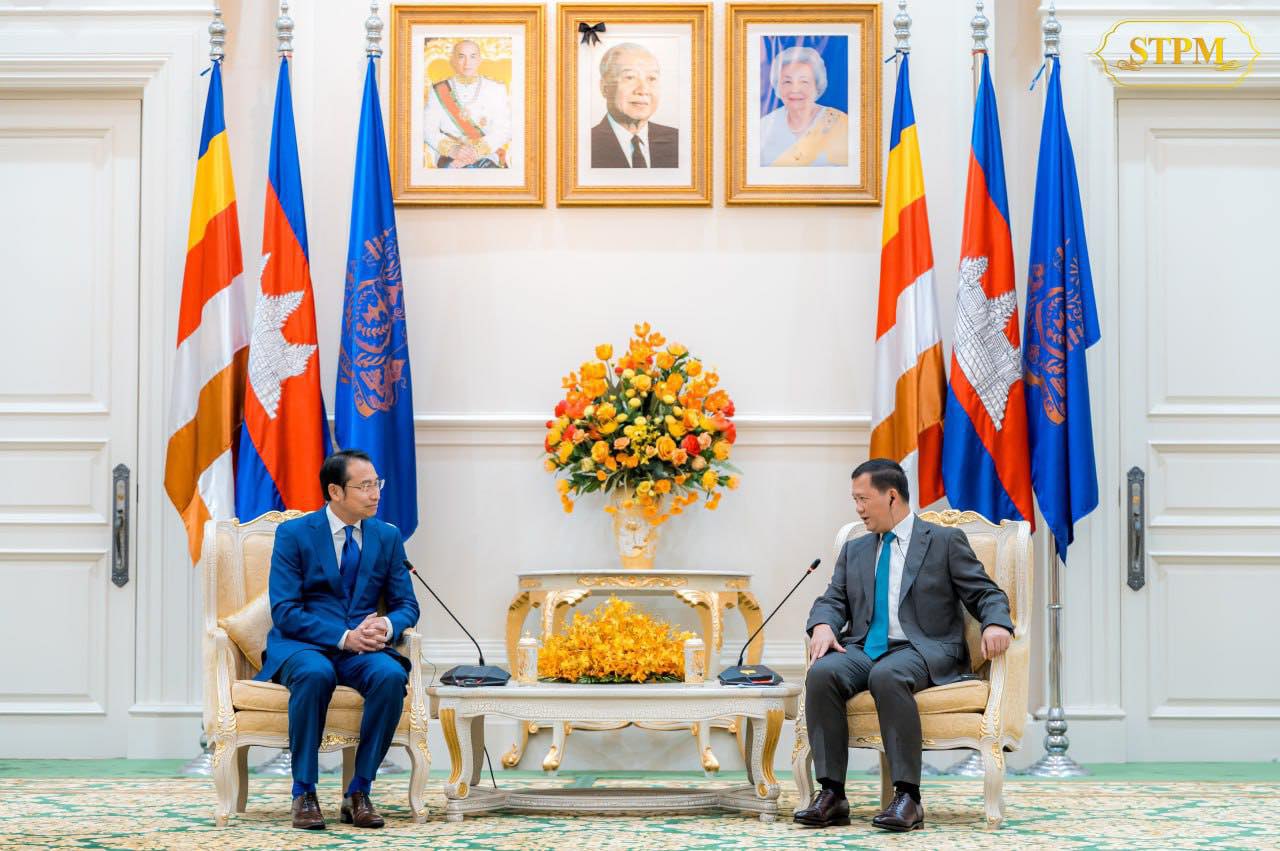
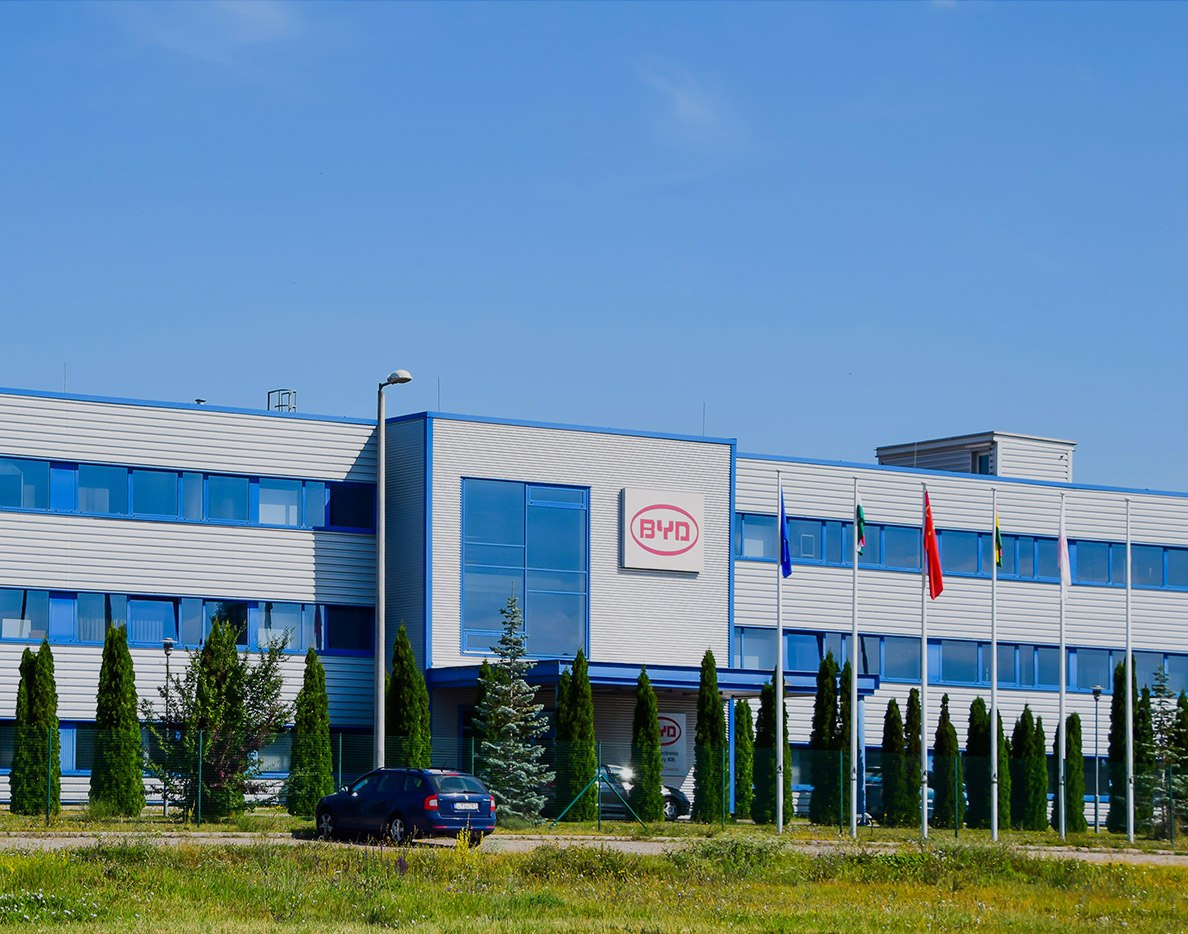
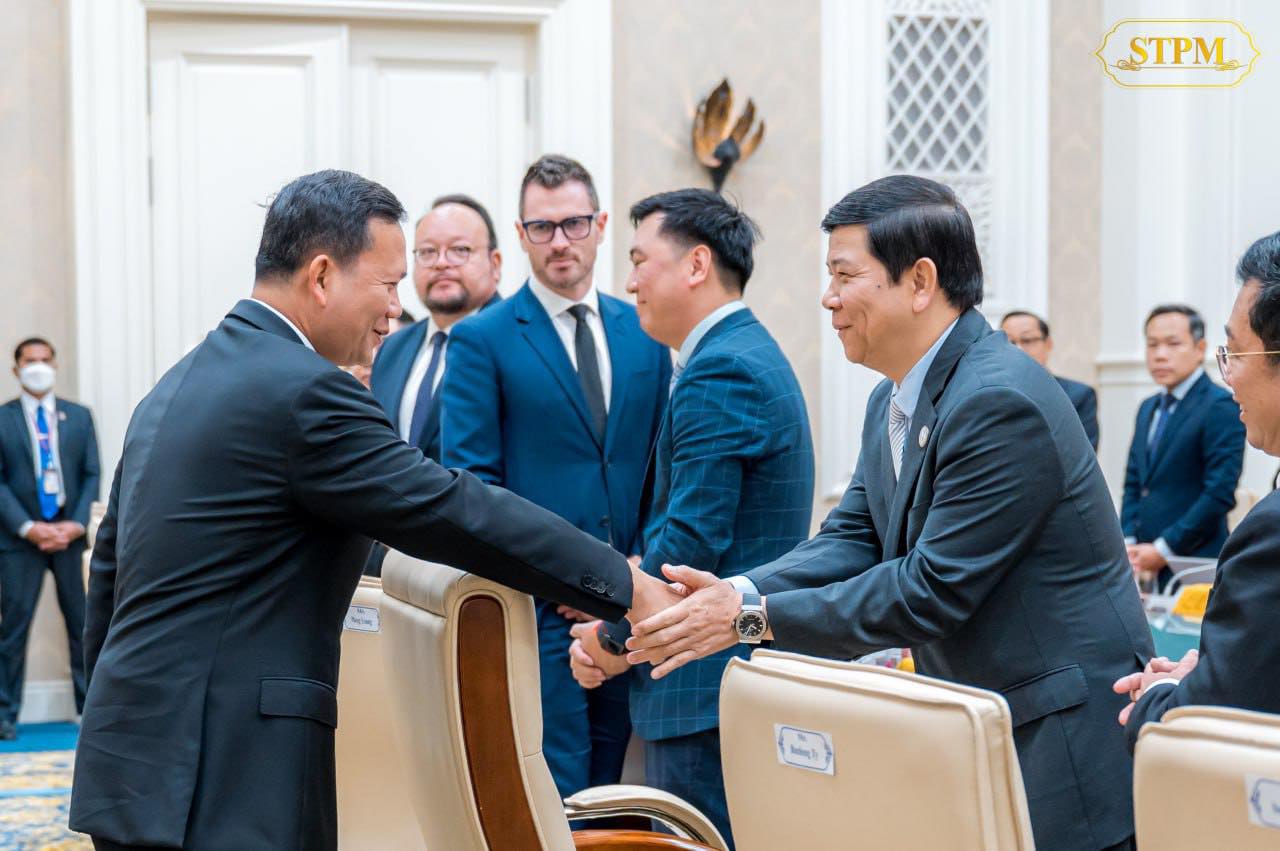
BYD Asia Pacific Auto Sales Division is poised to significantly bolster its regional footprint by establishing an electric vehicle assembly plant in Cambodia. The decision, announced via the official Facebook page of Cambodian Prime Minister Hun Manet, follows high-level discussions held on July 15, 2024, between Prime Minister Hun Manet and Liu Xueliang, CEO of BYD Asia Pacific Auto Sales Division.

The upcoming assembly plant is slated to have an annual production capacity of up to 20,000 electric vehicles. This initiative not only aims to meet the burgeoning demand in Cambodia but also positions the country as a strategic hub for BYD’s exports to international markets.

BYD’s decision to invest in Cambodia underscores its strategic vision to capitalize on the country’s growing importance in Southeast Asia’s automotive sector. The establishment of the assembly plant not only signifies BYD’s commitment to expanding its production capacity but also highlights Cambodia’s attractiveness as a conducive business environment for automotive manufacturing.

With this expansion, BYD aims to further strengthen its position in Southeast Asia’s electric vehicle market while contributing to Cambodia’s industrial development and employment growth. The move is expected to bolster economic ties between China and Cambodia, further cementing BYD’s role as a key player in the region’s sustainable transportation landscape.

The strategic investment aligns with BYD’s broader mission to drive sustainable mobility solutions globally, leveraging Cambodia’s strategic location and favorable business climate to enhance its production capabilities and meet the evolving needs of consumers in Southeast Asia and beyond.

Founded in 1995 and headquartered in Shenzhen, China, BYD has emerged as a global leader in electric vehicles and renewable energy solutions. As of 2022, the company has surpassed the milestone of producing over 3 million vehicles and has established a robust presence across 70 countries worldwide. In Asia, BYD operates manufacturing and assembly facilities in key markets such as China, Thailand, India, and Indonesia, showcasing its commitment to localizing production and meeting regional demand.

Government to Implement Two Phases for “Master Plan for the Development of Sihanoukville into a Multi-Purpose Special Economic Zone”

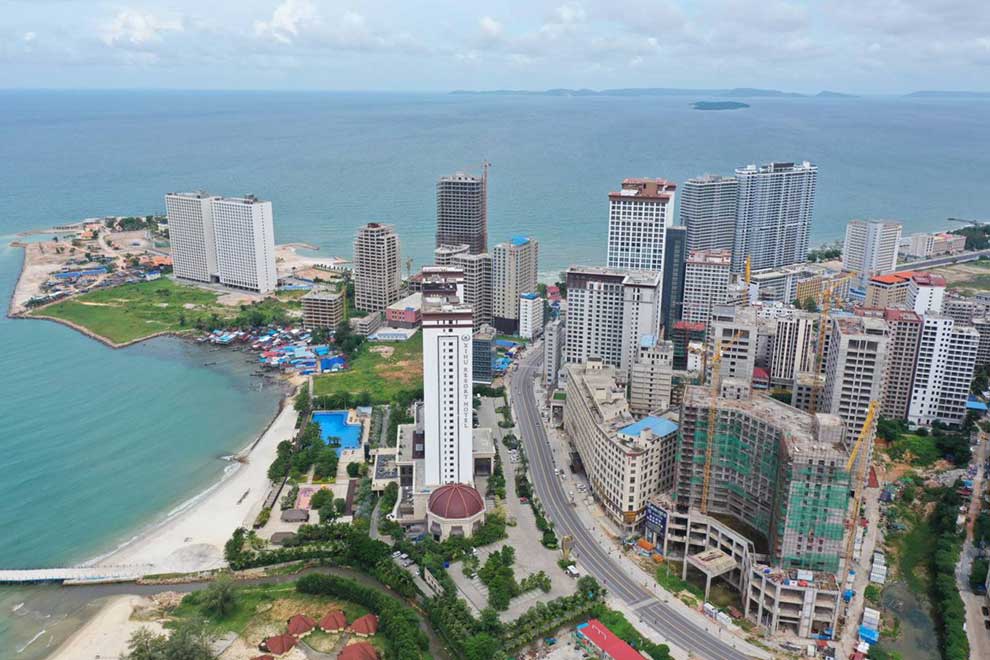
Sihanoukville: The Ministry of Economy and Finance has announced that the government will execute the “Master Plan for the Development of Sihanoukville into a Multi-Purpose Special Economic Zone” in two phases, with the aim of positioning Sihanoukville as a significant economic center to drive economic growth, social development, and sustainable environmental protection.

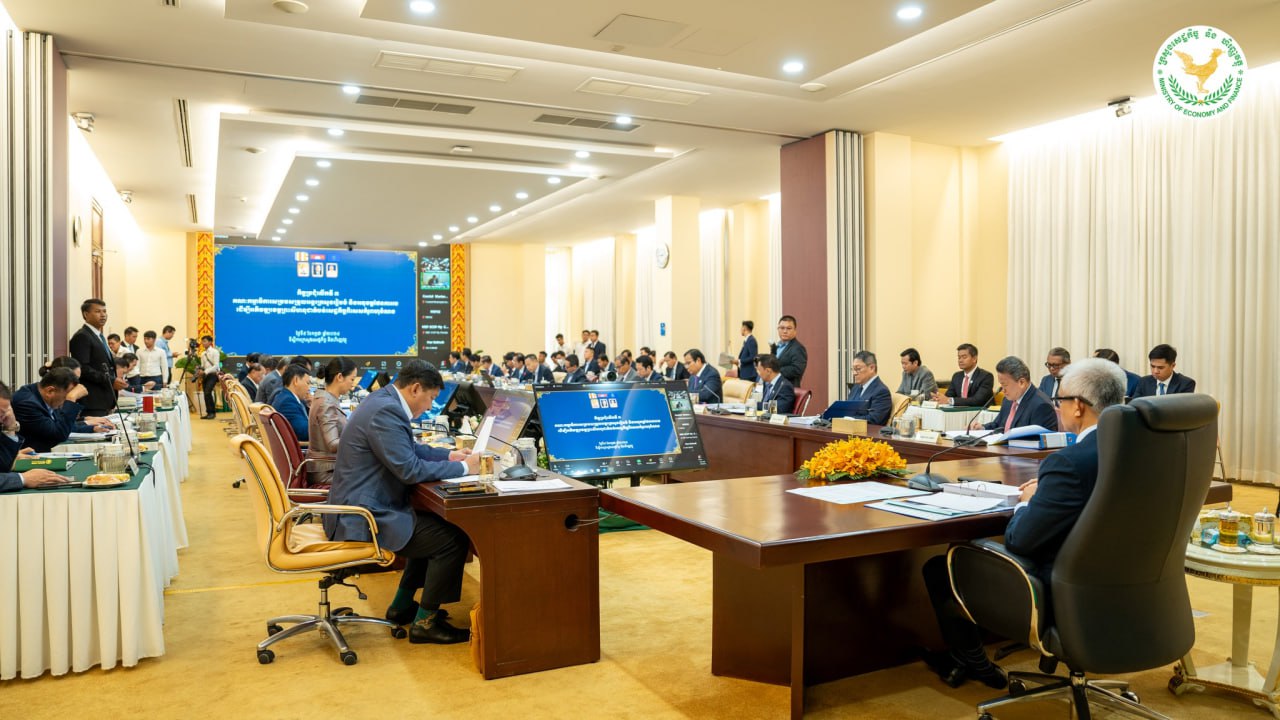
Earlier this week, Dr. Aun Pornmoniroth, Deputy Prime Minister and Minister of Economy and Finance, who also chairs the Inter-Ministerial Coordinating Committee for the Master Plan, led the third committee meeting. The meeting reviewed and provided feedback on the draft “Master Plan for the Development of Sihanoukville into a Multi-Purpose Special Economic Zone” and its “Action Plan” before submitting them to the Royal Government for approval and subsequent implementation.

The master plan envisions transforming Sihanoukville into:

Cambodia’s international gateway, serving as a multimodal transport and logistics hub, a business center, and an international financial center.

A national development hub by attracting global coastal and archipelago tourism, establishing itself as the National Center for Industrial Development and Technology Innovation.

A prominent city within ASEAN, noted for its sustainability, multiculturalism, and model green and smart city initiatives.

To achieve these goals, the “Master Plan for the Development of Sihanoukville into a Multi-Purpose Special Economic Zone” will be implemented in two phases:

Phase 1 (2025-2028): Focuses on integrating Sihanoukville into the regional trading system, expanding logistics and tourism sectors, improving the infrastructure of the existing city, and developing new areas to attract high-value-added investments.

Phase 2 (2029-2038): Aims to solidify Sihanoukville’s role as a national gateway and regional hub in finance, trade, industrial development, transportation, and technology. The city will evolve into a multifunctional hub conducive to entrepreneurship, green and smart city initiatives, and become a high-income, prosperous province.

Dr. Aun Pornmoniroth, Deputy Prime Minister, commended the collaborative efforts of leaders from relevant ministries and institutions, particularly the inter-ministerial technical working group, in coordinating the master plan for provincial development, which aims to elevate Sihanoukville into a Multi-Purpose Special Economic Zone.

ABA Bank’s Mobile Users Soar 34% as Digital Finance Grows in Cambodia

Despite ongoing challenges in the global, regional, and Cambodian economies, Cambodia’s financial industry continues to see gradual growth. Even amidst slower overall economic activity, some industry players are performing well, providing essential support to the country’s economic engine.

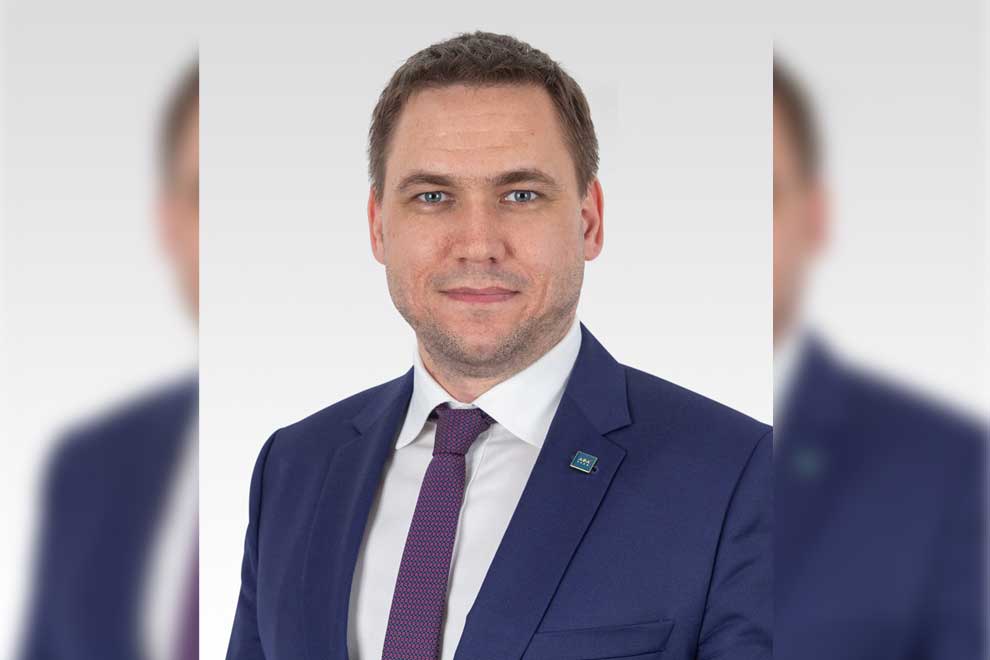
Mr. Igor Zimarev, Chief Marketing and Corporate Social Responsibility (CSR) Officer at ABA Bank, spoke to Investing Cambodia about the impact of the financial sector’s performance on the current state of the industry during the economic slowdown.

 How did ABA Bank fare in the first half of this year?

Mr. Igor: We’re happy to report strong performance in the first half of 2024. Our convenient ecosystem and services continue to attract new customers. Our mobile app users have grown by 34% compared to the same period in 2023, reflecting a steady increase in confidence towards ABA’s digital finance solutions. We’ve also expanded our presence in the corporate and lending portfolios.

Our physical footprint grew with the successful launch of 3 new branches in Phnom Penh and Battambang, providing even more customers with access to ABA Bank’s modern products and services.

The Bank’s total assets grew 7.1% from the end of December 2023, reaching $12.3 billion.

What were the total outstanding loan and deposit amounts for ABA Bank at the end of the first half of 2024?

Mr. Igor: Our loan portfolio reached US$8.3 billion, representing a 5.6% increase from the end of 2023. Customer deposits also saw significant growth, reaching US$9.8 billion, reflecting a 6.5% increase since the beginning of the year.

Despite the perception of a slow economy, what growth trends has ABA Bank observed in the first half of 2024?

Mr. Igor: While economic activity might seem slower, we are still seeing growth trends. Our customer base has impressively expanded by 32% compared to the same period last year, reaching almost 4 million customers. We’ve also witnessed tremendous growth in cashless payments nationwide. In the first semester of 2024, we processed 126% more ABA PAY transactions (including payments via static and dynamic KHQR, POS terminals, and websites) compared to the corresponding period in 2023. This highlights the accelerating digitalization of the Cambodian market.

ABA Bank has also managed to sustain loan growth, understanding that access to capital remains vital for businesses. We provide productive loans to key sectors of the economy, and the portfolio growth gives us confidence in future advancements.

Can you tell me the primary industries or business types that ABA Bank prioritizes when issuing loans?”

 Mr. Igor: We support various sectors that drive Cambodia’s growth. Traditionally, our loans primarily flow to wholesale and retail trade, manufacturing, agriculture, and fishing. Micro, Small, and Medium Enterprises (MSMEs) comprise a significant portion of our borrowers.

How might a potential slowdown in economic activity impact ABA Bank’s projections for the remainder of 2024?

Mr. Igor: A slower economic pace can affect projections; however, we remain cautiously optimistic. Our focus on diversification, robust risk management, and a growing customer base positions us well to navigate any challenges. We will continue to monitor the situation and adapt our strategies to achieve our goals for the year.

CCC in Australia Pledges to Enhance Investment between Cambodia and Australia

The President of the Cambodia Chamber of Commerce (CCC) in Melbourne, Australia, has committed to boosting investment between Cambodia and Australia, citing Cambodia’s significant potential to access regional and international markets through various free trade agreements.

During a meeting with Prime Minister Hun Manet, Mr. Taning Sethy, President of CCC in Melbourne, Australia, stated that the establishment of a representative office of the Cambodian Chamber of Commerce in Melbourne is progressing through coordination between the Cambodian Chamber of Commerce and the Ministry of Commerce, in accordance with Cambodian laws and regulations. Mr. Taing also discussed the process of electing leadership for the Melbourne office and outlined future action plans.

Mr. Taning Sethy emphasized that his visit and delegation to Cambodia aimed to explore business and investment opportunities, understand the government’s policies and strategies to attract investment, and foster connections between the private sectors of Cambodia and Australia. He highlighted sectors like food processing, agriculture, and others for potential investment.

In response, Prime Minister Hun Manet praised the initiative to establish the Cambodian Chamber of Commerce in Melbourne and Sydney, noting it as a positive step toward enhancing government-to-government relations and bilateral business ties. He underscored the government’s commitment to improving Cambodia’s business environment, enhancing competitiveness through investment laws, and implementing flexible mechanisms to support investors and the private sector.

The Prime Minister emphasized Cambodia’s access to regional and international markets through various free trade agreements, including the Cambodia-Korea Free Trade Agreement, Cambodia-UAE Comprehensive Economic Partnership Agreement, as well as frameworks like ASEAN and the Regional Comprehensive Economic Partnership Agreement (RCEP), all of which present investment opportunities.

Furthermore, Prime Minister Manet reaffirmed the government’s commitment to maintaining stability and security for existing investors in Cambodia, along with a focus on skills training to meet the demands of industries such as automotive, electronics, digital technology, and others aligned with global growth trends.

Encouraging the Cambodian Chamber of Commerce in Melbourne, Australia, to explore opportunities in key sectors such as agriculture, agro-industry, renewable energy, education, and health, Prime Minister Manet proposed collaboration with relevant Cambodian ministries and institutions to enhance business and trade opportunities between Cambodia and Australia. He concluded by wishing Mr. Taing Sethy and his delegation success in their endeavors in Cambodia and a safe journey back.

Cambodia Aims for 800,000 Electric Vehicles on Roads by 2030

The Cambodian government has set an ambitious target of having 800,000 electric vehicles (EVs) on the road by 2030, aiming to keep pace with regional and global trends towards sustainable transportation. This plan aligns with the country’s commitment to achieve carbon neutrality by 2050.

The Electric Vehicle Development Policy Document 2024-2030, released in May, highlights the rapid growth of the EV sector globally. According to the document, global EV sales surged from 3.2 million units in 2020 to 10 million in 2022, with the market reaching a value of US$205.6 billion. International research predicts that EVs will account for half of all new vehicle sales worldwide by 2035.

“The government recognizes the benefits of the EV sector and is introducing specific fiscal and non-fiscal policies to support its growth,” the document states. “The National Policy on the Development of the Electric Vehicle Sector 2024-2030 serves as a roadmap to guide and promote the development of EVs in Cambodia.”

The long-term national policy has a phased approach, aiming for a total registration of 30,000 EVs by 2030. This includes 25,000 private cars, 5,000 electric vehicles for commercial use, and over 740,000 electric motorcycles and tricycles.

As of July 10, Cambodia has seen significant progress with nearly 3,000 electric vehicles officially registered, including over 900 motorcycles and 440 tricycles. The number of registered cars, currently at 1,614, is steadily increasing.

“Electric vehicles offer a cost-effective and environmentally friendly transportation option,” said Phorn Rim, spokesperson for the Ministry of Public Works and Transport. “The government, through various ministries and institutions, is actively working to expand the network of charging stations and create a supportive environment for EV adoption.”

The recent registration data reveals BYD as the leading brand with 658 vehicles, followed by Toyota (261) and Tesla (186).


Cambodia Pushes for Sustainable Bond Market Development at 40th ABMF Meeting

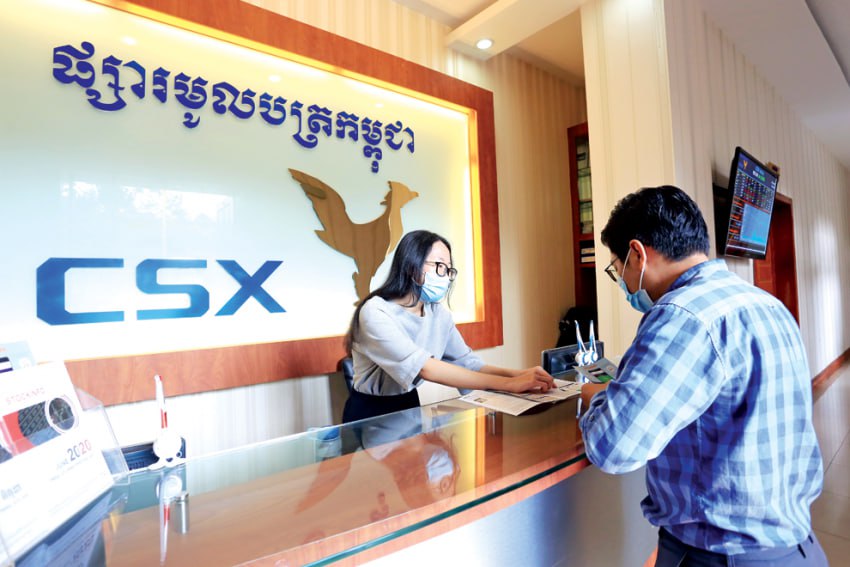
Cambodia is making strides towards developing a robust and sustainable bond market, according to a keynote address delivered by Mr. Sou Socheat, Director General of the Securities and Exchange Regulator of Cambodia (SERC) at the 40th ASEAN+3 Bond Market Forum (ABMF) Meeting held in Kumamoto, Japan.

The event, co-organized by the Asian Development Bank (ADB), Kumamoto Gakuen University (KGU), and other institutions, served as a platform for member countries to discuss progress in their bond market development, particularly in the context of sustainable finance and digital assets.

Mr. Socheat highlighted the evolution of Cambodia’s securities market and SERC’s commitment to promoting a market aligned with regional and international standards. He emphasized the importance of transparency, orderliness, and good governance to build investor confidence, both domestic and international.

Cambodia’s participation in the 40th ABMF meeting signifies the country’s commitment to developing a thriving bond market that promotes sustainable financial practices. The meeting, held from July 8th to 12th, 2024, brought together ABMF members and international institutions to discuss best practices in fostering sustainable bond markets within the ASEAN+3 region.